Kentuckians Skeptical of Remote Opioid Treatment
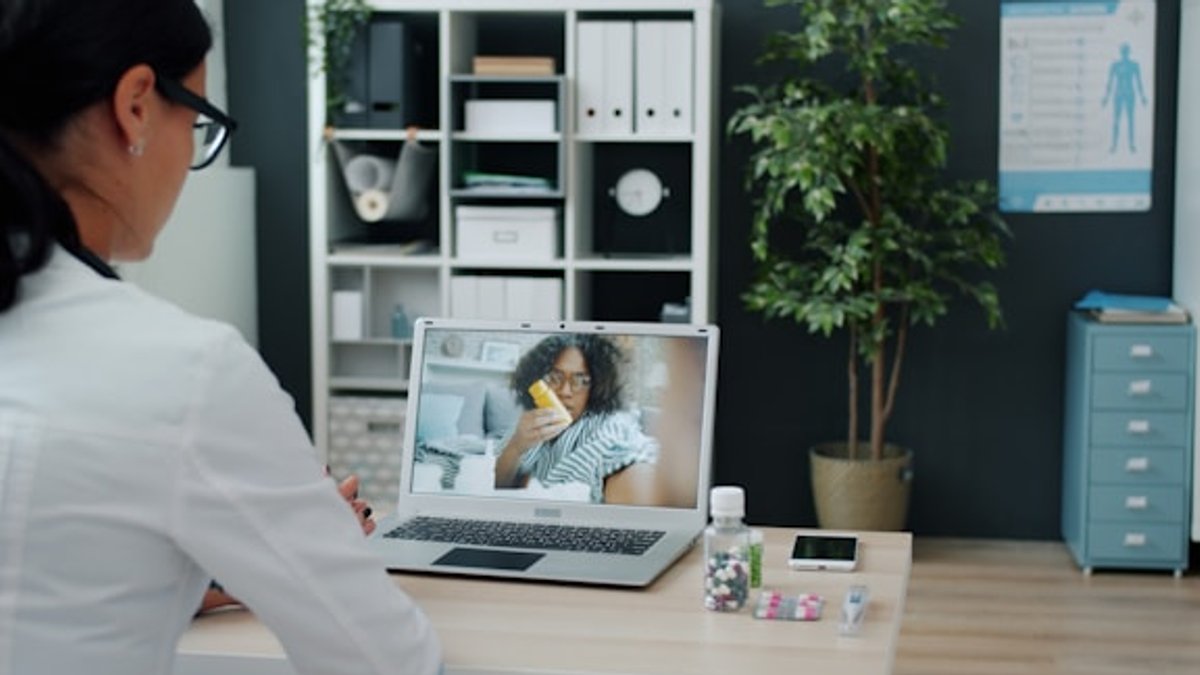
Many Kentuckians hesitate to start medication-assisted treatment, not because the care is unavailable, but because of misconceptions. Old ideas about Suboxone, telehealth, and recovery keep people from trying something that works.
Suboxone Does Not Create A New Addiction
The idea that Suboxone merely swaps one addiction for another is a myth. Buprenorphine functions as a partial agonist with a ceiling effect, meaning it does not produce euphoria at higher doses. A prescribed dose for a chronic condition is not an addiction. Suboxone is FDA-approved and has been proven to reduce overdose deaths and emergency room visits. Some patients worry that taking medication forever feels like cheating, but addiction medicine specialists point out that no other chronic condition, such as diabetes or high blood pressure, requires an end date.
Rural Access Depends On Broadband, Not Geography
Geography often sounds like an obvious barrier to care in Eastern Kentucky, but the real limitation has historically been a shortage of providers, not the technology itself. Once a patient has phone or internet access, they can reach the same providers and obtain the same medications as someone in a city. The primary hurdles in these areas are actually unreliable broadband or cell coverage and the fact that some local pharmacies do not stock buprenorphine. Programs now work around these gaps by allowing audio-only visits when video is unavailable and ensuring prescriptions go to pharmacies with supply.
Related: Dirty Makeup Brushes Spread Skin Infections
One of the most persistent beliefs is that only specialists can prescribe Suboxone. That rule came from the old X waiver requirement, which has since been eliminated. Now any licensed provider can prescribe the medication. This change has made treatment significantly more accessible, including through telehealth services in Kentucky. Some patients worry that going through a telehealth provider means losing their local doctor or pharmacy, but that is not how it works. The telehealth provider simply adds another layer of support while the patient’s primary care doctor and pharmacy remain the same. Medicaid patients also face fewer barriers than commonly assumed, as Kentucky covers buprenorphine and telehealth, and most plans do not require prior authorization to begin treatment.
Telehealth Meets Clinical Standards
A video visit is still a real treatment. Research on rural opioid programs has found that retention and medication adherence are comparable to in-person care. The same providers, the same licenses, and the same prescribing rules apply. The only difference is the commute. For those in rural areas, finding a provider willing to travel to a clinic can be difficult, but connecting via a screen provides a reliable alternative. Misunderstandings about these programs persist, but the evidence suggests that remote care offers the same clinical standards as traditional visits.
Patients often believe that sharing personal care tools or using unclean brushes creates a risk of infection. Studies show that dirty makeup brushes can spread skin infections. Regular cleaning and proper hygiene practices prevent these issues. Maintaining clean tools is essential for skin health. This simple step protects against bacterial buildup and other skin problems. Clean tools make a difference in daily grooming routines.

Dirty Makeup Brushes Spread Skin Infections


