Chicago’s First New Medical School in a Century Focuses
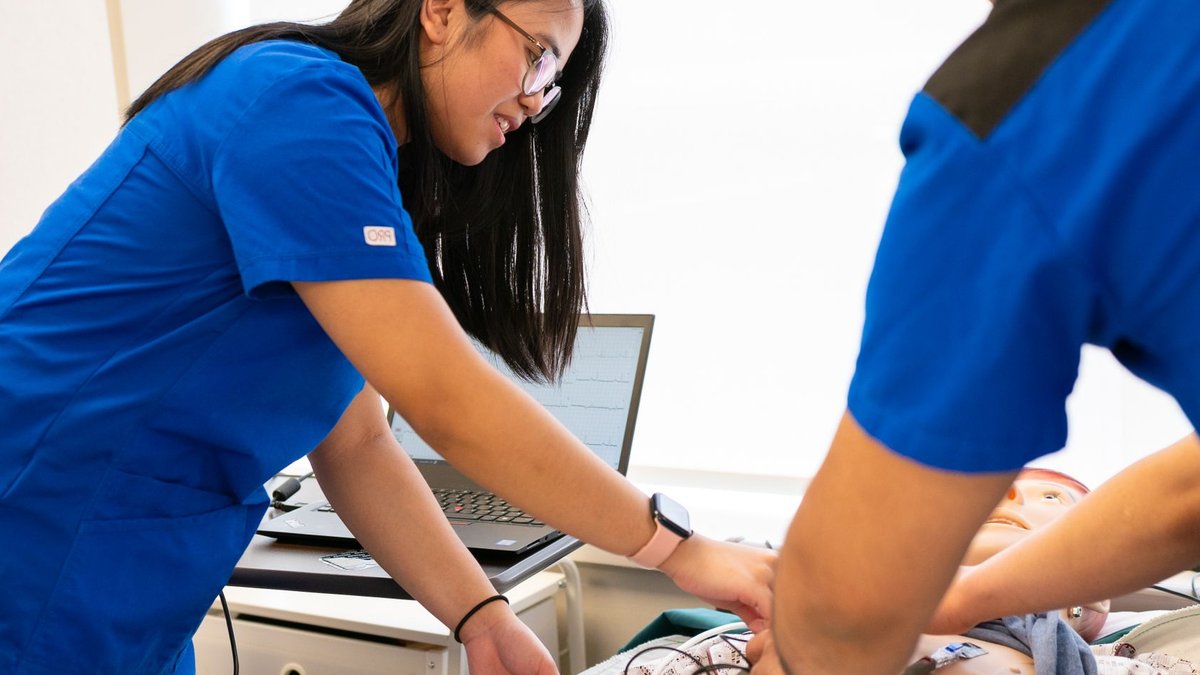
The Chicago School recently opened the Illinois College of Osteopathic Medicine, marking the city’s first new medical school in nearly a century. Michele Nealon, Psy.D., president of The Chicago School, and John Lucas, D.O., the college’s founding dean, spoke with Medical Economics about the curriculum. The pair focus on mental health, prior authorization, and artificial intelligence before students begin residency. The school’s four-year program integrates mental health support from day one.
Preventing burnout before it starts
According to Nealon, about one in four medical students start their training with depressive symptoms, and only about 16% of those who screen positive go on to seek treatment. She notes that this reluctance to seek care follows physicians into their professional lives. Lucas, an emergency physician, explains that burnout shows up as early retirement and disengaged doctors, not just tragedy. He argues that the stress of medical school starts the cycle of exhaustion early. To counter this, the school trains all faculty and students in mental health first aid alongside CPR. The goal is to normalize seeking help.
Students learn to validate patients who present with undiagnosed symptoms. Lucas recalls patients in the emergency department with no clear diagnosis. He emphasizes that validating their experience does more good than standard protocols. The training also addresses the stigma of seeking help. Nealon points out that medical students often worry about licensing and how their condition will be viewed. Some states have removed intrusive mental health questions from residency applications to reduce this barrier. The school brings health care CEOs to campus to discuss the business side of medicine and the importance of physician well-being.
Modern challenges in training
The curriculum prepares students for modern practice hurdles. They learn to maneuver through prior authorization systems, a major source of frustration for practicing physicians. The school does not hide the difficulty of the process but trains students to push for better systems. Artificial intelligence is also a key part of the training. Lucas notes that students use AI to fact-check lectures and that AI can read EKGs well. However, he emphasizes that AI cannot hold a patient’s hand. This limitation highlights the human element of medicine that technology cannot replace.


