Philippine experts urge stronger dengue cooperation regionally
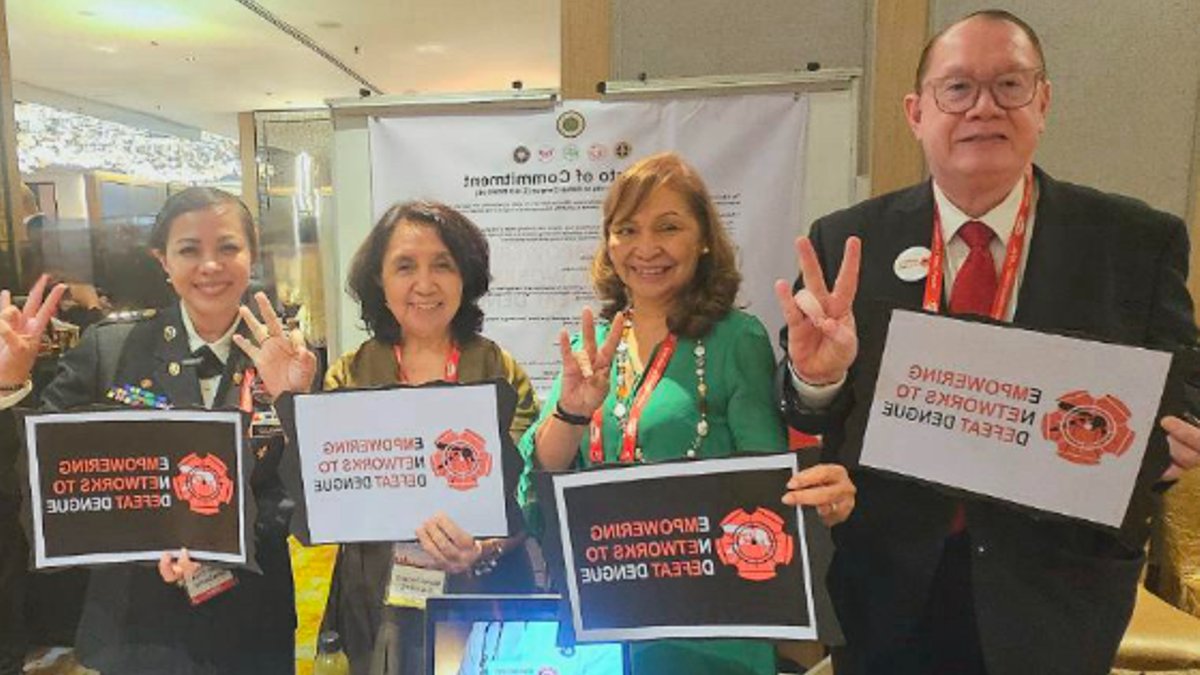
Philippine dengue experts played a visible role at the Asia Dengue Summit held in Singapore, coinciding with ASEAN Dengue Day 2026. The event gathered leaders, policymakers, scientists and advocacy groups from across Southeast Asia to push for stronger cross‑border collaboration on dengue and other Aedes‑borne diseases.
The summit was timed to align with ASEAN Dengue Day, showing the regional commitment to raise public awareness and synchronize preventive actions across member states.
Summit draws a wide regional audience
Delegates from the Philippines, Malaysia, Indonesia, Singapore, Thailand, Vietnam and several partner nations attended the three‑day meeting. Organisers said the gathering was meant to create a platform for ongoing dialogue, knowledge exchange and coordinated policy work.
The convening deliberately linked advocacy groups, public‑health professionals, researchers and funding partners, allowing each sector to contribute its unique perspective to a shared dengue‑control agenda.
The agenda featured sessions on advocacy, research, technology‑enabled awareness and multi‑stakeholder communication. Participants exchanged best practices and discussed emerging challenges, aiming to give the region a more unified voice on disease prevention.
Country‑specific examples highlighted how the Philippines integrates media, academia and medical societies, while Malaysia and Indonesia showcased policy engagement that leverages legislative support for vector‑control measures.
New memorandum seals regional partnership
A milestone of the summit was the signing of a memorandum of understanding among six founding groups: the Asia Dengue Voice G Action Group (ADVA), Dengue Prevention Advocacy Malaysia (DPAM), Empowering Networks to Defeat Dengue (E.N.D. Dengue Coalition, Philippines), Joint Coalition Against Dengue (KOBAR, Indonesia), the Singapore Dengue Alliance and the International Society for Neglected Tropical Diseases (ISNTD). The document signals a shared intent to deepen collaboration on prevention, control and advocacy.
The MOU reflects a collective pledge to strengthen cooperation across Southeast Asia, ensuring that lessons learned in one country can be rapidly applied elsewhere.
Read Also: Rose Pharmacy Redefines Regional Retail Through Care and Innovation
Each partner will contribute resources, data and expertise to a regional hub that aims to streamline funding and research efforts.
Philippine scientists lead key sessions
Dr. Rose Capeding moderated “Symposium 7: Emerging challenges in dengue management,” steering discussions on clinical and scientific hurdles. She emphasized the need for tighter collaboration across countries and disciplines to improve outcomes.
Dr. Capeding noted that integrating clinical, scientific and public‑health perspectives is essential for advancing more effective dengue management across the region.
Presentations included research on dengue and obesity from Sri Lanka, novel biomarkers for severe cases from Vietnam, post‑acute burden studies from Singapore and real‑time clinical monitoring from a Vietnamese institute. The session highlighted gaps in understanding severity and patient load, reinforcing the call for shared research networks.
The speakers represented leading institutions: Neelika Malavive of Sri Jayewardenepura University, Nguyen Lam Vuong of OUCRU, Wee Liang En Ian of SGH, and Ho Ǫuang Chanh of OUCRU, each bringing distinct methodological insights.
Dr. Lulu Bravo chaired the “ADVA Educational Symposium 1: Innovations for Aedes‑borne disease control,” featuring updates from the World Mosquito Program and evidence‑based vector control strategies. The talk showed the growing relevance of evidence‑driven approaches and the need to monitor chikungunya alongside dengue.
The symposium benefited from support by Bavarian Nordic, which helped facilitate the presentation of cutting‑edge vector‑control technologies.
In the middle of the program, it became clear that the Philippines’ long‑standing medical association leadership has helped shape regional advocacy. Their model of linking media, academia and health societies offers a template that other countries might adapt, though each nation must tailor the approach to its own health system realities.
Read Also: Bobby Claudio Leaves Lasting Retail Legacy
Policy engagement examples from Malaysia and Indonesia illustrated how legislative backing can accelerate community‑level interventions and resource allocation.
The meeting felt like a crowded kitchen of ideas, with each country tossing its own ingredients into a common pot.
The metaphor captures how diverse strategies—ranging from community education to high‑tech surveillance—meld to create a richer, more resilient regional response.
Looking ahead to sustained cooperation
Organisers described the summit as a stepping stone toward continuous policy dialogue and coordinated planning among public health, research and funding partners. They also noted that the event passes the torch to future host locations, suggesting the network will keep expanding.
The platform is intended to support coordinated planning among healthcare providers, researchers and funding agencies, ensuring that resources are aligned with the most pressing regional priorities.
In a closing statement, participants thanked speakers and supporters for making the convening successful.
Appreciation was extended to all contributors, reinforcing the shared commitment to sustain momentum and deepen collaboration beyond the summit.

Rose Pharmacy Redefines Regional Retail Through Care and Innovation


