Indonesian Wildfires Spike Hazardous Air Pollution in Southeast Asia
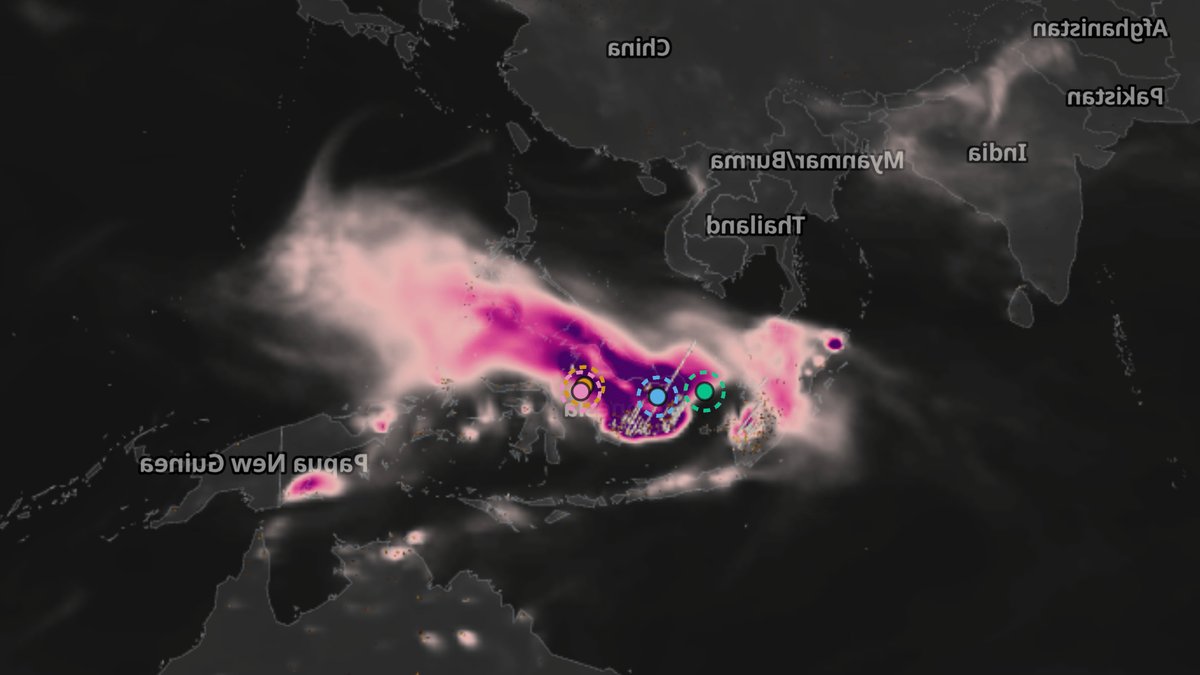
Indonesian wildfires are generating hazardous air pollution levels across Southeast Asia, leading to cancelled outdoor activities and school closures. Millions of people in the region are currently exposed to the large-scale haze as smoke crosses borders. Indonesia has recorded 50,000 cases of respiratory infections linked to land and forest fires between July and August, according to data from its health ministry. The fires are particularly intense across parts of Borneo, including West Kalimantan, generating substantial smoke emissions that have been transported to neighbouring countries.
European Union’s Copernicus Atmosphere Monitoring Service (CAMS) is closely tracking fire emissions from Indonesia and the transport of smoke across the region. Senior Scientist Mark Parrington noted that the country has experienced a particularly intense start to its seasonal fires, with the number of fires and their emissions increasing rapidly since late July. This is unfolding against the backdrop of strong El Niño conditions, which can influence rainfall and intensify conditions across the region.
Related: El Niño Forecast Strongest On Record Threatening Extreme Weather
Mark Parrington observed that the fire activity in Indonesia has increased since July, coinciding with the country’s dry season, which typically runs from late July to late October. Strong El Niño conditions have further intensified fire activity. Indonesia recorded its highest August monthly total estimated emissions since at least 2003, contributing to the highest monthly fire emissions for Asia. The country has also recorded its highest August total estimated fire emissions in the past 24 years, resulting in large-scale transboundary haze.
Particularly notable is the scale of the transboundary haze, which is already significantly impacting air quality across Southeast Asia and could persist for several weeks if the fire emissions continue to increase, as would be expected through September into October. These fires demonstrate that wildfires are not a localised challenge – their impacts can extend hundreds of miles from the source, often reaching communities that had no direct contact with the flames.
Related: Mushroom supplement gains popularity among athletes
The wildfire emissions significantly increase concentrations of fine particulate matter (PM2.5), one of the pollutants most harmful to human health, among many other toxic and harmful pollutants. Residents of affected areas are often left with few options to escape the smoky air, as windows must remain closed to keep out particles, which can trap pollutants inside homes and buildings. This creates a difficult living situation for families who must stay indoors during the day to avoid health risks.
Globally, wildfire emissions increased in August 2026, with smoke from fires in North America and Eurasia being transported as far as the Northern Hemisphere, including the Arctic. The Fire Emissions Watch application provides a visual tool for tracking these emissions. While the immediate focus remains on the dense smog choking cities in Southeast Asia, the data confirms that the environmental fallout from these fires is a persistent, cross-border issue that requires coordinated regional response.

El Niño Forecast Strongest On Record Threatening Extreme Weather


