US to end HIV aid to Namibia
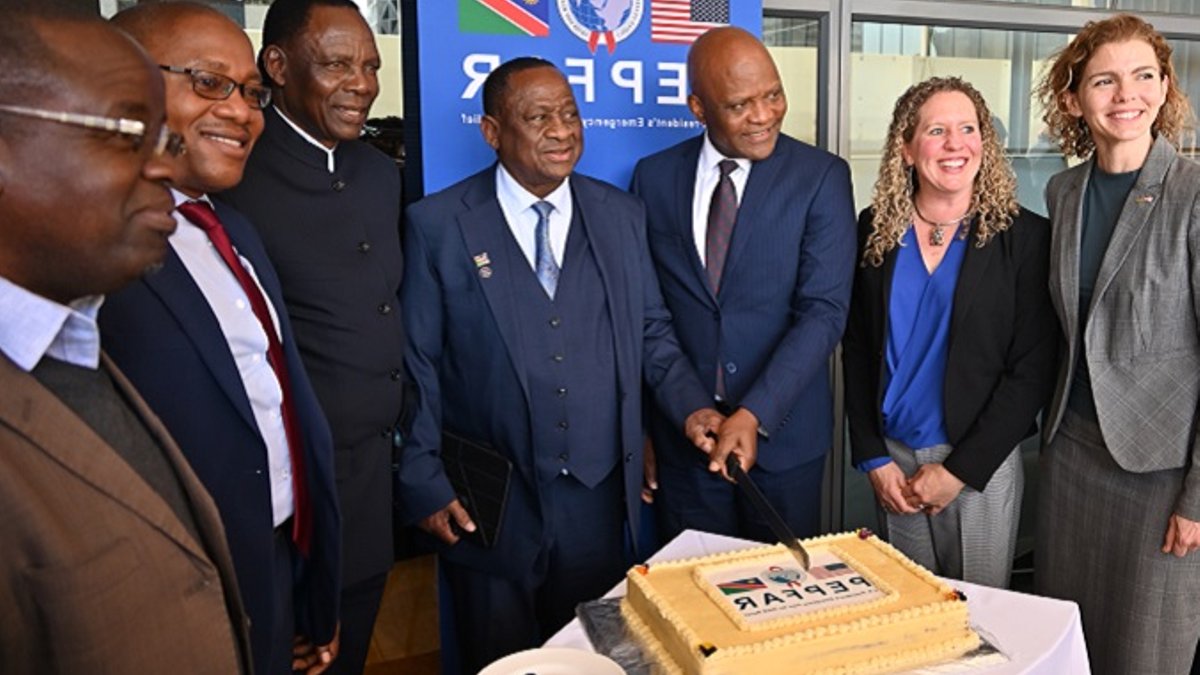
The United States plans to end its direct funding of Namibia’s HIV program after 2027, closing a 22-year partnership. This phase-out follows a breakdown in negotiations over data-sharing terms, which Washington deemed necessary for a longer-term aid package. The joint announcement released last Friday frames the one-year transition as a recognition of Namibia’s historic achievement in reaching HIV epidemic control and surpassing global targets. It marks a significant shift in how the two nations manage one of the most critical public health crises in the region.
Under the new terms, the US will provide $45 million for the 2027 fiscal year. This funding enables a transition from direct financial support to technical assistance. After that period, Namibia is expected to fund its own response entirely. The government already covers most of the costs for its antiretroviral treatment programme with its domestic budget. This covers free treatment for approximately 220,000 people living with the virus.
A Record of Success
Namibia’s health metrics have improved dramatically over the last two decades. The country has surpassed the global HIV “90-90-90 targets,” which aim for 90% of citizens with HIV to be aware of their status, 90% of those on treatment, and 90% of those on treatment to be virally suppressed. Namibia has achieved rates of 96-98-98, exceeding the benchmarks set by international health bodies. It has also almost eliminated mother-to-child HIV transmission, with 97% of babies born to mothers with HIV testing negative.
These figures suggest that the domestic health system is robust enough to sustain the program without external grants. The shift from US funding to local ownership was initially portrayed as a victory for national sovereignty. However, the underlying cause of the split is less celebratory. It stems from a refusal by Namibian officials to accept specific conditions attached to the renewed support.
The Data Impasse
The core of the disagreement involves US demands for sharing health data and pathogen information. Namibia rejected these terms during negotiations for renewed support from the President’s Emergency Plan for AIDS Relief (PEPFAR). Over the past 22 years, the country received roughly $1.1 billion in support from this initiative. The current administration is replacing traditional PEPFAR grants with new bilateral agreements under its America First Global Health Strategy. These new agreements focus heavily on a country’s ability to contain disease outbreaks.
Read Also: Rising Fires Threaten Clean Air Targets
This is not an isolated incident of diplomatic friction. Zimbabwe and Ghana have also rejected similar US data and pathogen-sharing demands. In other regions, the memorandums of understanding reached with Kenya and the Democratic Republic of Congo face legal challenges from civil society groups. The pattern suggests a broader tension between Western aid models and the data sovereignty concerns of recipient nations. It highlights a growing gap in how different governments view the ownership of biological information.
Global Health Politics
The dispute sits at the center of sensitive talks among World Health Organization (WHO) member states. These discussions concern how to share information about dangerous pathogens and any medical products that arise from that sharing. The pathogen access and benefit-sharing (PABS) system is the last outstanding piece of the Pandemic Agreement. Namibia has played a central role in representing the African region in these negotiations. The complexity of these international rules often gets lost in the headlines, but they determine who controls the flow of critical scientific knowledge.
The US bilateral health agreements demand that partner countries provide full access to information about dangerous pathogens within 10 days of an outbreak. Additionally, Washington wants the right to share this information with companies and groups of its choice without restrictions. This requirement is a direct challenge to the WHO PABS system. It effectively bypasses the multilateral framework that many countries are trying to build. The US withdrawal from the WHO in January 2025 means it will not be included in the final PABS system, adding a new layer of complexity to the diplomatic negotiations.
According to The Namibian newspaper, the Namibian government is concerned that these demands do not comply with its local laws. Officials argue that the conditions infringe upon constitutional privacy rights and national sovereignty over biological resources. This legal and ethical hurdle has proven insurmountable for the current aid cycle. As a result, the financial relationship between the two countries will end after the 2027 fiscal year, leaving Namibia to rely solely on its own resources for the next phase of the HIV response.

Rising Fires Threaten Clean Air Targets


