Drug Resistance Spreads Global Health Fears
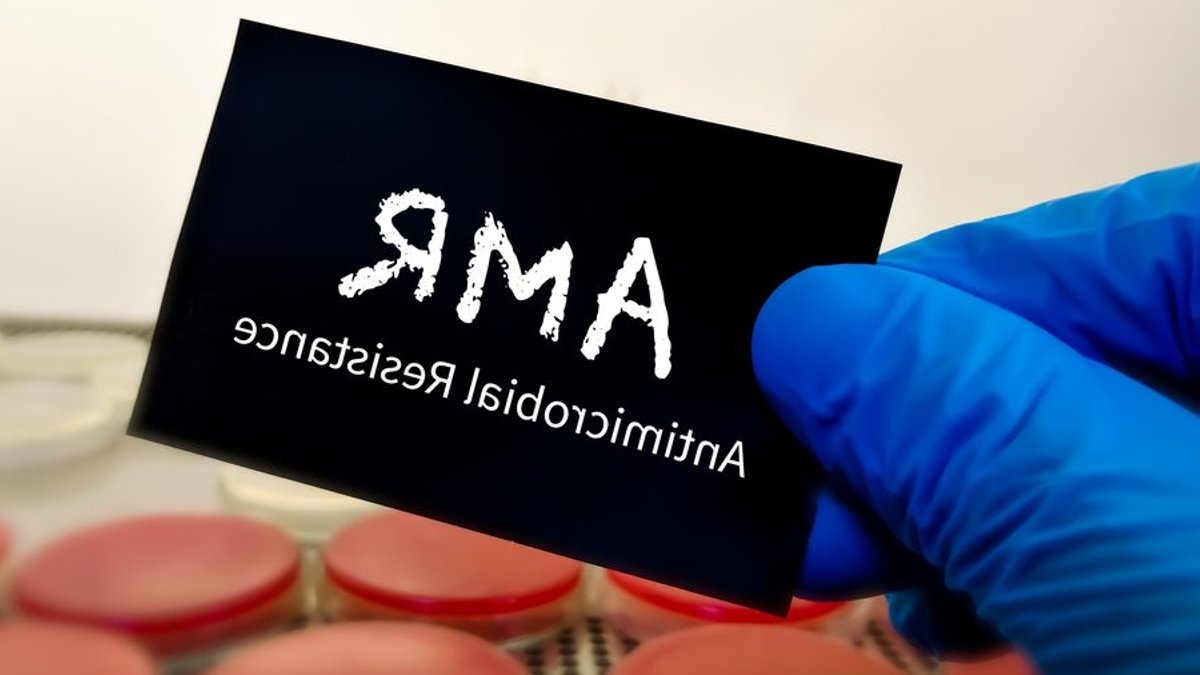
Antimicrobial resistance threatens human lives, economies, and the planet, according to the report. Industry leaders can join the fight against this global health crisis by learning more about risks and solutions and adjusting their business practices accordingly. The invention of antimicrobials was a significant step in minimizing preventable deaths with tools like penicillin.
Bacteria have adapted to the threat to their reproduction, resulting in antimicrobial resistance, a growing concern for people and economies. Leaders in any industry can mitigate the damage by learning about this global health crisis and determining better ways to fight it within their businesses.
Antimicrobial resistance describes the ability of microscopic organisms to resist treatments like antibiotics, antiparasitics, antifungals, and antivirals. Every living thing adapts when faced with challenges, so it’s natural for such organisms to try to survive more effectively.
In learning how to do so, antimicrobial tools are becoming less effective. Microbes are also developing genetic changes to survive those tools and become untouchable. As microbes reproduce, all living things become more at risk of more powerful bacteria and viruses that resist all known treatments.
An overuse of antibiotics contributed to this problem, made worse by patients not completing antibiotic prescriptions and leaving bacteria and viruses alive after antibiotic exposure. Experts estimate that the growing health crisis of antimicrobial resistance will cause over 39 million deaths between 2025 and 2050.
People will likely die due to untreated infections but also due to untreatable illnesses after undergoing chemotherapy and surgery. The environment is also at risk because the stronger microbes will reproduce outside of human populations, eventually seeking animals and plants as hosts.
As more microbes become resistant to effective treatments, people must know how to protect those who are most at risk. Learning about the most likely outcomes will empower leaders in business, medical, and sustainability-focused industries to lead the fight against untreatable microorganisms.
Related: Ostomy life shifts from hidden to seen
Mutating viruses and bacteria don’t just pose a risk to people in close proximity to each other. They also hurt patients recovering from medical procedures. Medical experts estimate that 90% of surgical wounds require up to six months to finish healing, providing ample opportunity for an open wound to remain vulnerable to mutated microorganisms.
It takes time to develop new medical treatments. Treatments must undergo multiple rounds of studies and peer-reviewed testing before human trials begin. Microorganisms mutate at an accelerated rate, leaving people suffering from illnesses for an extended period while the medical community attempts to catch up to new health threats with new treatments.
Business leaders should remain closely tuned in to this global health crisis for multiple reasons. First, avoiding the misuse of antibiotics safeguards the supply chains in each industry. Treating crops with more effective pesticides minimizes the risk of collapse in agricultural production due to future untreatable viruses or bacteria.
Healthy workers will also remain active in the workforce for longer durations. Companies face fewer threats of labor loss, rising unemployment, and a lack of consumer-generated revenue when the population at large is healthy. Sustainability-focused businesses have unique opportunities to aid the fight against antimicrobial resistance by investing in prevention strategies.
Technology-focused companies might shift their focus to developing tools researchers need to find alternatives to antibiotics. They can also push for making specific technologies more widespread, like increasing the availability of AI-driven software that catches infections and marketing them toward healthcare resources of all sizes.
Eco-friendly brands in pharmaceuticals and healthcare often push for change by supporting updated business practices. Incentivizing research opportunities, implementing milestone payments for developing antibiotics, and following new patient care procedures to prevent infections more effectively can all help solve the crisis, especially when it comes to vaccinating chronic patients.
Working towards a better future in any industry requires a collective effort. Business leaders can fight antimicrobial resistance in any industry by staying closely informed of the latest developments, spreading awareness of the health crisis, and investing in relevant research. They will take a global response to manage an ever-growing challenge affecting people worldwide.

Ostomy life shifts from hidden to seen


