Prevention efforts must intensify now
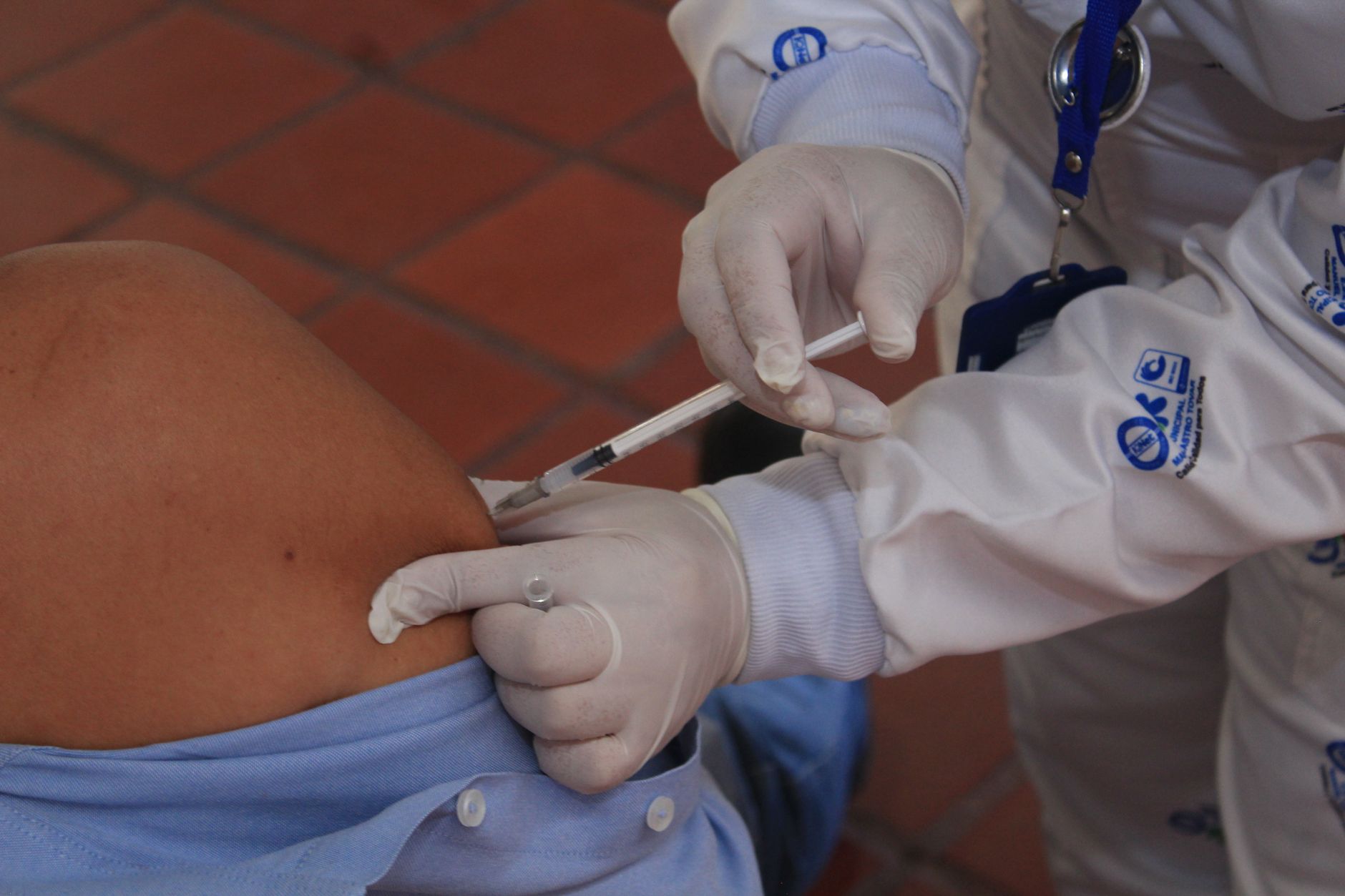
Europe’s vaccination policies are evolving as emerging technologies and public trust shape prevention strategies for the coming years. A workshop in Brussels next month will gather civil society leaders, researchers, and policymakers to examine vaccine research and innovation.
Prevention as a public health priority
The event, organized by Active Citizenship Network—the EU branch of the Italian NGO Cittadinanzattiva—will focus on vaccine research, innovation, and patient-focused approaches. Set for December 3, 2025, it aims to strengthen prevention and health resilience across Europe.
Mariano Votta and Daniela Quaggia of the network highlight that discussions about health security often emphasize future pandemics while overlooking ongoing research advances. The workshop will address this by exploring progress in mRNA platforms, DNA-based vaccines, and improved delivery methods.
Related: EU eyes new respiratory health strategy
One session will address the return of individual participant data from clinical trials. The FACILITATE project, part of the Innovative Health Initiative, has developed a framework for returning data to clinical study participants. Organizers believe this approach can strengthen trust, improve health literacy, and enhance vaccine research quality.
Investing in resilience
The Mission Board on Vaccination in Europe, a coalition of public health experts, patient organizations, and civil society leaders, has called for the next EU budget to invest in prevention and immunization as drivers of competitiveness, productivity, and resilience. Active Citizenship Network is a member of this coalition.
Professor Walter Ricciardi, Chair of the Mission Board on Vaccination in Europe, stated, “Vaccination is one of the most powerful and cost-effective tools we have. It saves lives, strengthens economies, and enables societies to recover and succeed in the face of crisis. Now is the time to double down on prevention.” His position aligns with the European Charter of Patients’ Rights, which includes the Right to Preventive Measures and the Right to Innovation.
The workshop will explore how to promote a culture of prevention and counterbalance narratives focused solely on future health threats. Vaccines remain one of the most effective tools for preventing serious infectious diseases, saving millions of lives each year.
Related: Fueling workouts with the right foods
The December gathering will bring together experts and representatives of civil society organizations to discuss vaccine research and development, innovation, and investment priorities. The goal is to reinforce the role of prevention in public health policy.
While the workshop may not lead to immediate policy changes, it could shape how prevention is integrated into future EU health strategies as the next Multiannual Financial Framework approaches.
The tools to prevent disease continue to advance. The challenge lies in ensuring their effective use.

EU eyes new respiratory health strategy


