EU eyes new respiratory health strategy
Europe’s approach to respiratory health remains reactive, even as COVID-19 settles into an endemic phase. Patient advocates and civil society groups are pushing for a coordinated strategy that would treat lung diseases as a permanent policy priority rather than an emergency measure.
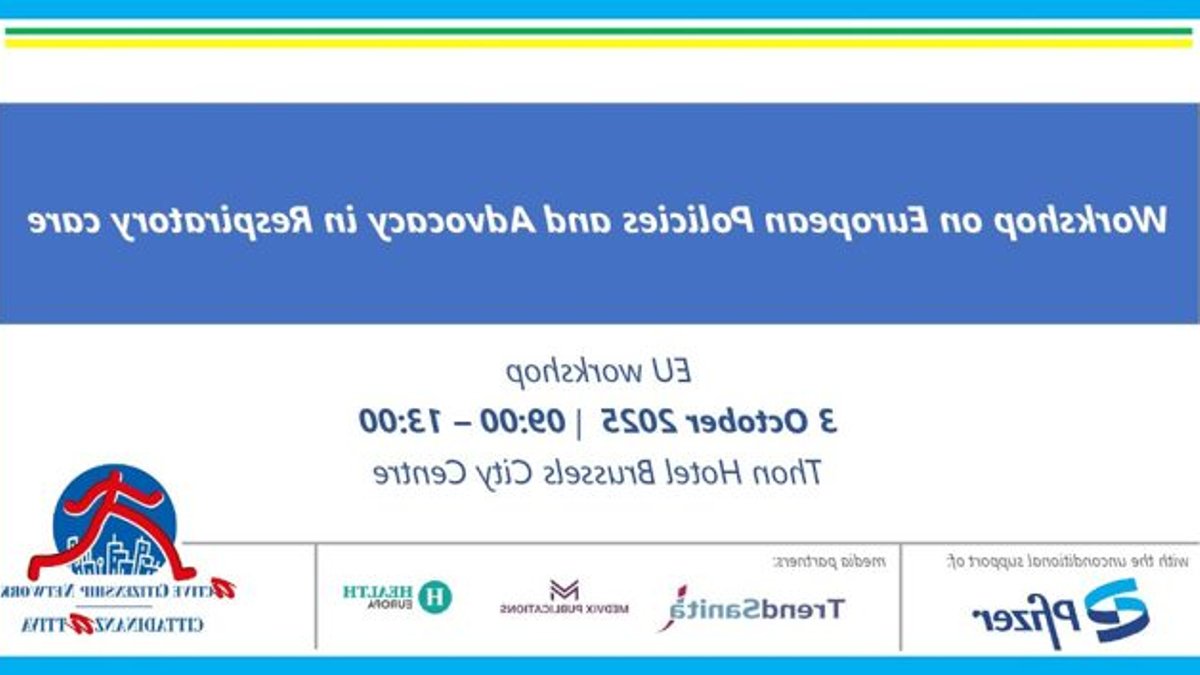
Active Citizenship Network, a civic organization, will host a workshop in Brussels on October 3 to build support for an integrated EU respiratory health plan. The event is part of a larger effort to shift the bloc’s focus from crisis management to sustainable care frameworks.
Respiratory infections rank among the most common diseases in Europe, and many of their worst outcomes are preventable. The pandemic revealed gaps in preparedness, but the EU’s existing tools, such as the Health Emergency Preparedness and Response Authority, were built for acute threats, not chronic or recurring conditions.
Officials stated there is no unified approach that tackles both the lasting effects of COVID-19 and the ongoing challenges of other respiratory diseases. Without one, countries may face repeated cycles of overburdened hospitals and delayed care when the next surge occurs.
Related: CBD gummies science in Ireland examined
A unified plan could standardize prevention efforts, improve treatment access, and reduce disparities between member states. Current policies vary widely, leaving some populations at greater risk than others.
The Brussels workshop will present findings from a qualitative survey of patient advocacy groups and civil society organizations across the EU. The survey evaluated progress in policy, public awareness, and health system resilience, focusing on vaccine-preventable respiratory diseases and the role of EU institutions.
A second document, a collaborative call to action, will be introduced by the EU Working Group on Respiratory Care. The group, which includes patient advocates, medical associations, and experts, developed the proposal to encourage policymakers to prioritize respiratory health in the EU’s long-term agenda.
Attendees will also contribute to shaping the #CareForAll 2025 campaign, designed to pressure institutions and raise public awareness. The goal is to ensure respiratory care remains a visible priority rather than an afterthought in broader health discussions.
If successful, the plan could follow the model of other EU health initiatives, such as those for cancer or antimicrobial resistance, which combine funding, research, and cross-border cooperation. Respiratory diseases, however, have historically received less attention despite their widespread impact.
Related: Money Matters for Better Mental Health
The workshop’s outcomes will inform ongoing EU health policy debates, including the European Health Union’s priorities for 2026 and beyond. Advocates aim to gain traction before the next European Parliament session, where health funding and legislative agendas will be decided.
Securing support from member states presents a challenge, as many have competing health priorities. Another hurdle is ensuring any plan leads to real improvements in prevention, diagnosis, and treatment access rather than remaining a theoretical document.
The focus now is on building momentum. The #CareForAll campaign will launch in the coming months, using patient stories and data to persuade policymakers. If enough support is gathered, it could move respiratory health from the margins to the core of Europe’s health strategy.
The EU cannot continue treating lung diseases as a secondary concern.

CBD gummies science in Ireland examined


