Carney’s Budget Falls Short of Well-being Goals
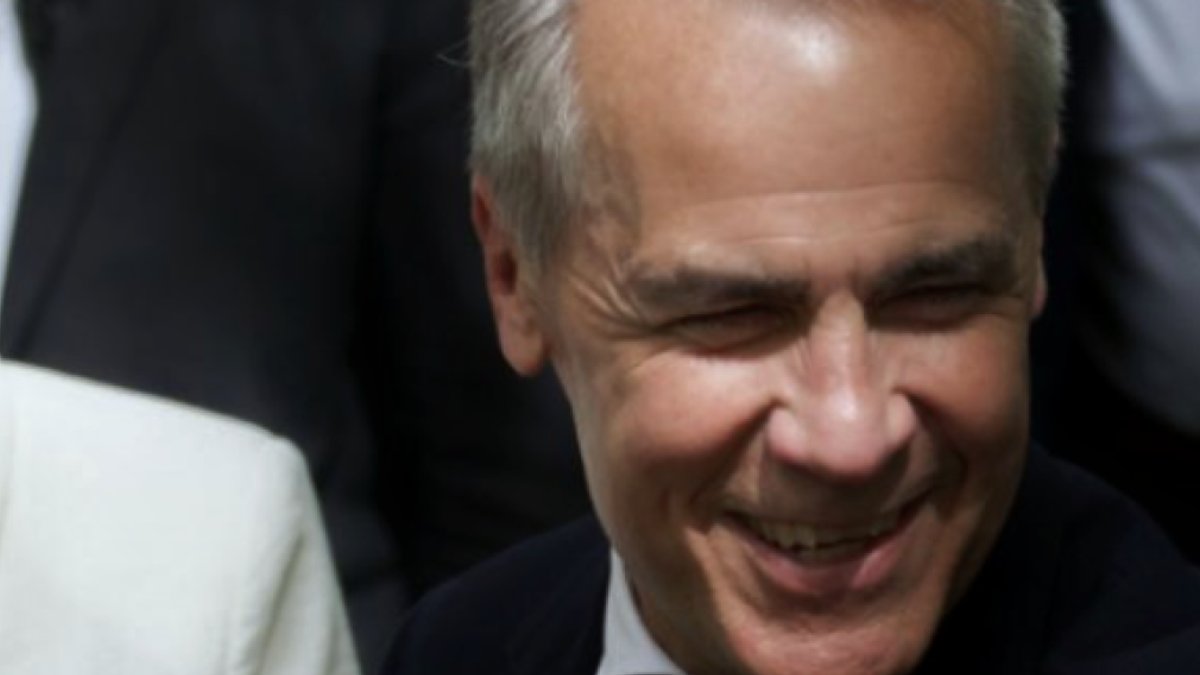
Mark Carney’s 2025 budget as Canada’s Prime Minister failed to deliver on promises of a well-being economy, leaving advocates disappointed and critical of the government’s shift toward traditional economic priorities. Carney, a former United Nations Special Envoy for Climate Action and Finance, had long championed the idea of reorienting economies to prioritize public health and environmental sustainability. His 2022 book Values laid out this vision, arguing that markets should serve people and the planet, not the reverse. However, his first budget as leader revealed a stark departure from these ideals, focusing instead on defense spending, clean energy investments, and corporate subsidies aligned with economic growth.
Advocates for the well-being economy, a global movement advocating for policies rooted in human and ecological health, expressed immediate disappointment with the budget’s tone. Dr. Lindsay McLaren, a community health sciences professor at the University of Calgary and researcher with the Canadian Centre for Policy Alternatives, called the budget “spectacularly disappointing for its failure to meet the moment.” She emphasized that the document ignored urgent health crises, including rising health inequalities, the climate emergency, and increasing disease outbreaks. “The federal budget is not engaging with these problems in any meaningful way,” she stated.
The pivot away from Trudeau-era social and health support programs marked a significant shift. Carney’s pre-campaign rhetoric framed climate change as an economic threat, leading the government to introduce the Climate Competitiveness Strategy. This plan eschews regulatory measures in favor of investments and subsidies to spur innovation in clean energy and decarbonization technologies.
Shift to Investment Over Regulation
Health professionals and environmental advocates highlighted how the budget’s priorities could exacerbate existing challenges. Dr. Melissa Lem, a clinical assistant professor at the University of British Columbia’s faculty of medicine and former president of the Canadian Association of Physicians for the Environment (CAPE), noted that public policy directly shapes social determinants of health, which drive most health outcomes. She cited air quality, food safety, and access to care as key factors, adding that the budget’s emphasis on investment does little to address these. Lem also pointed to research linking fracking sites to higher rates of cancer, heart disease, and premature death, particularly in communities already facing healthcare shortages.
Critics like Lem and Ecojustice’s Melissa Gorrie warn these initiatives risk prioritizing economic growth over environmental and public health. Gorrie expressed concern about weakening greenwashing legislation, which was passed in 2024 to curb false corporate environmental claims. “Just like tobacco advertising bans, we need strong legislation to clean up advertising in Canada to prevent us from making unhealthy decisions around fossil fuels,” Lem argued.
Expert Analysis and Policy Implications
Simon Ticehurst, advocacy lead with the Wellbeing Economy Alliance, stated that tariff threats from former U.S. President Donald Trump provided political cover for implementing a conservative budget. Dr. Joe Vipond, an emergency physician and former president of the Canadian Association of Physicians for the Environment (CAPE), noted that economic growth-focused policies contribute to mental health issues, often linked to financial stress.
Under the Building Canada Act, the Major Projects Office will expedite liquefied natural gas production and resource mining on Treaty territories. Dr. Melissa Lem highlighted research connecting fracking sites to raised cancer, heart disease, and premature death rates in nearby communities, showing health risks tied to accelerated projects.
Contrasting with Past Commitments
The 2025 budget starkly contrasts with Canada’s 2022 commitment to a well-being economy, one of six Western nations to make such a pledge. That same year, the federal government established a framework to integrate quality-of-life metrics into decision-making and budgeting. McLaren described these efforts as “seeds to work with,” noting that governments are tasked with protecting and supporting public well-being. However, the current budget’s focus on defense, clean energy, and resource extraction suggests a retreat from that vision. Ashley Aimone is a global health researcher and planetary health educator at the Dalla Lana School of Public Health, University of Toronto.


