Canadian Hospitals Turn to Design to Prevent Violence
Hospitals across Canada are implementing stricter security measures in response to rising violence, but evidence suggests these tactics may not actually improve safety outcomes. Instead, some facilities are exploring a different approach through the design of their spaces. The contrast between two hospitals illustrates this divide.
Security versus Design
At Winnipeg’s Health Sciences Centre, visitors must pass through turnstiles upon entry and are greeted by security guards. Police patrol the corridors, and AI-powered weapons scanners monitor both adult and pediatric emergency rooms. The environment is deliberately controlled and surveilled.
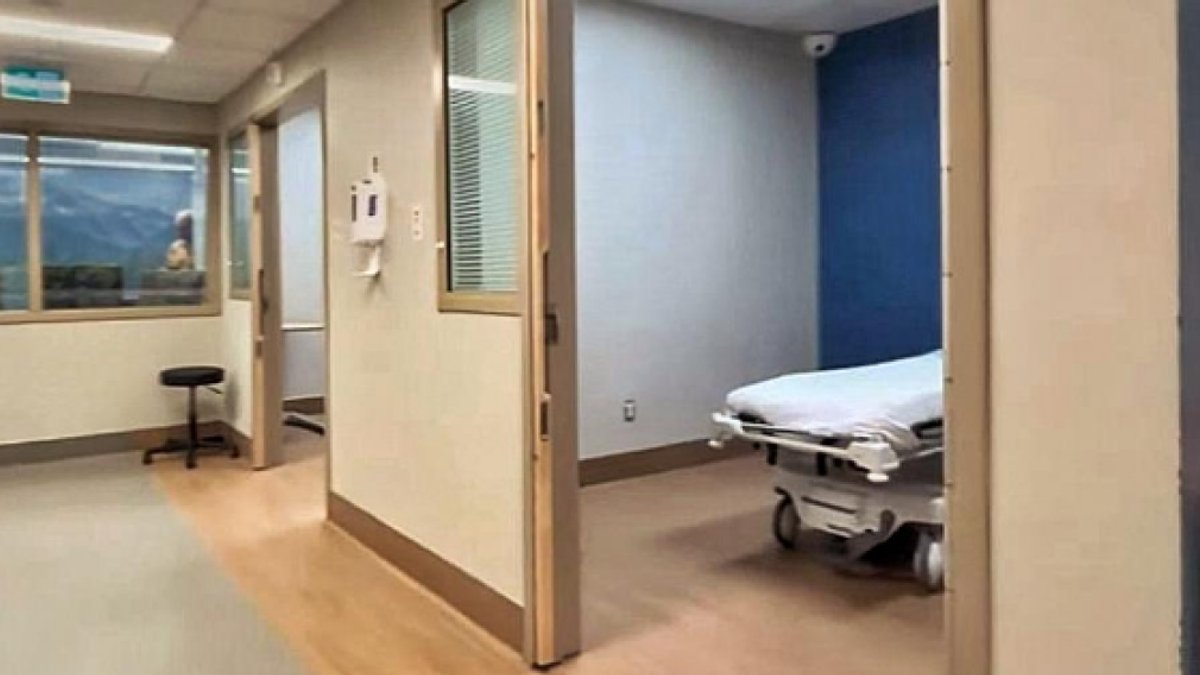
In Ottawa, Montfort Hospital’s emergency mental health zone offers a starkly different experience. The space is open and bright, with daylight filtering through windows and flooring that mimics wood. Calming colors and a layout that balances privacy with shared areas create a welcoming atmosphere.
The Case for Environmental Design
Despite widespread adoption of security measures, no data confirms they enhance safety. A 2022 article in The Hastings Center Report presents an alternative perspective, arguing that healthcare facility design directly influences behavior and emotional states. The report’s authors—a team spanning medicine, architecture, and bioethics—note that the built environment profoundly affects everyone within it.
Security responses typically address violence after it occurs, introducing surveillance and assuming patients and visitors are potential threats. Most hospital leaders, according to the report, underestimate how physical design impacts patients, both positively and negatively.
A Nursing Crisis and Safety Concerns
Violence in healthcare is widespread. A cross-country survey found that 95 percent of nurses experienced some form of violence or harassment in the past year. Nursing organizations report worsening conditions and rising injury rates across multiple provinces. The Manitoba Nurses Union has advised staff against working at the Health Sciences Centre, citing safety concerns.
Lisa Streeter, a Clinical Nurse Specialist in Winnipeg, emphasizes that safety involves more than preventing physical violence. She argues that patients and families must feel secure accessing care. “I feel that the idea of safety is bigger than just reducing the risk of physical violence through force,” Streeter said. “I think that it’s really about trying to prevent that escalation right from the start.”
Designing for De-escalation
Montfort Hospital’s mental health unit, opened in November 2024, exemplifies this preventive approach. The design incorporates environmental cues intended to de-escalate agitation when necessary. Brightly colored furniture contrasts with walls painted in blue tones, warm white, and a graphic depicting the Rocky Mountains.
Daylight and outdoor sightlines contribute to calm. Architect Cédric du Montier explained that maximizing windows and using natural imagery were key goals. The nursing station’s glass barrier uses perforated film to maintain visual connection without creating a surveillance feel. “So, when you are in the patient environment you don’t feel observed,” du Montier said.
Designer Peter Sampson of Public City Architecture notes that spaces evoking belonging and awe encourage respectful treatment of patients, staff, and facilities. Streeter described her ideal environment as one with abundant natural light, nature references, quiet areas, and privacy, all elements reflected in Montfort’s design.


