Physician Finds Flexibility Is Actually a Medical Condition
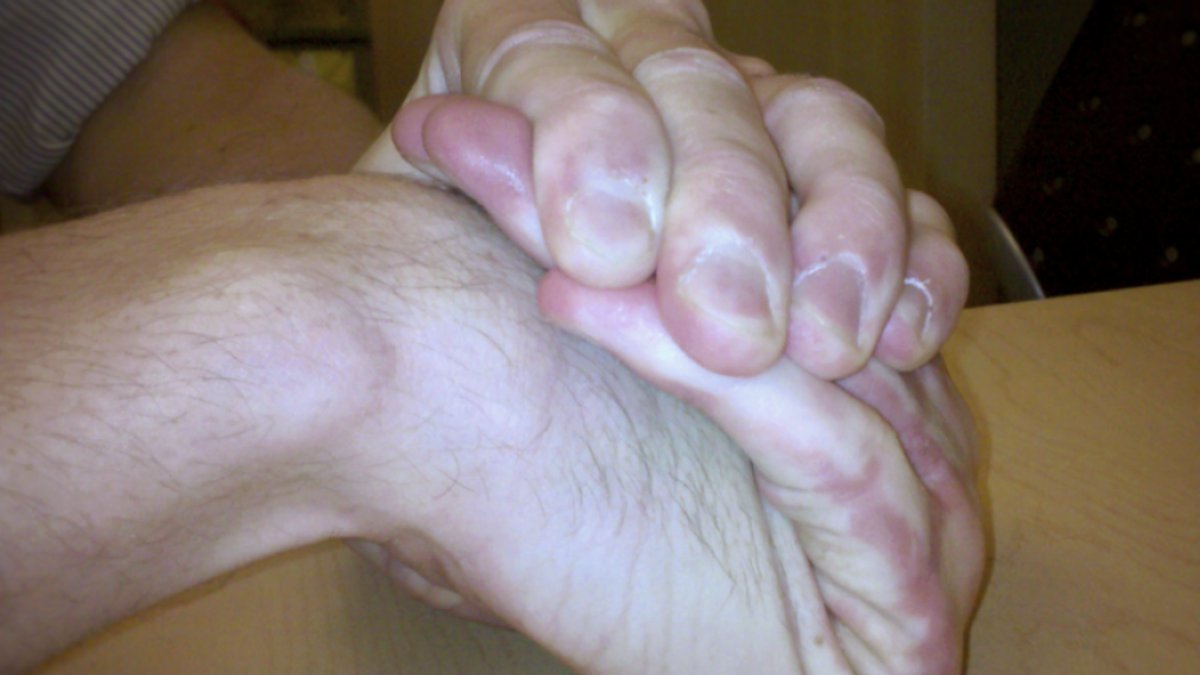
Doctors often discover a patient’s flexibility only after a medical evaluation identifies it as abnormal. A physical quirk like bending fingers backward or resting knees at improbable angles can indicate a medical condition. Before training in medicine, the ability was simply a party trick. During residency, colleagues joked that this contortion would help the resident fit into small hospital beds. The physician accepted the comments as part of the job, turning physical experiences into anecdotes about resilience.
A medical chart eventually recorded the condition as “benign joint hypermobility.” The word “benign” appears to neutralize the exhaustion and pain associated with the disorder. Over time, the symptoms accumulated. Wrists ached after typing notes, shoulders slipped when reaching for samples, and migraines arrived on schedule during clinic hours. The fatigue felt different from ordinary tiredness; it was a weariness that sleep did not repair. In clinic, patients voice a mix of apology and disbelief. They describe diffuse pain, dizziness, and instability, often having been told their tests are normal and that they are simply “flexible.”
Read Also: Dementia Care Strains Canadian Families, Healthcare System
Medical training teaches physicians to look for patterns in symptoms. As a patient, the individual began to see a different pattern: the dismissal of people with hypermobility spectrum disorders. These patients are often young women who are articulate. They learn that legitimacy must be earned through visible evidence like swelling or quantifiable dislocations. The vocabulary of the condition expanded alongside the symptoms, including terms like proprioception, dysautonomia, and pacing. Living with the disorder means the body works constantly to stabilize joints, so muscles that should rest must remain engaged. Ordinary tasks exert a higher physical and cognitive toll because standing and sitting still take effort.
Over time, the individual learned to brace joints beneath professional clothing and work through pain that once would have kept them home. This experience changed how they listen to patients. The physician no longer fills diagnostic silence with reassurance, knowing that “Your tests are normal” can sound like “Your pain is imagined.” The harm of medical doubt is understood, as is the relief when a doctor finally says, “I believe you.” The body acts as a teacher of humility; some mornings hands are steady, while other days they fumble with equipment before seeing the first patient.
Read Also: Canada’s aging crisis pushes demand beyond health system limits
Shared experiences and rigid systems
At conferences, debates sometimes arise regarding the “psychological overlay” of chronic pain. During these moments, the physician thinks of patients who arrive with binders of physiotherapy reports, hoping someone will connect the scattered symptoms. These patients show remarkable persistence and courage. Illness, especially invisible illness, redraws professional boundaries. When the physician disclosed their condition to a patient with newly diagnosed Ehlers-Danlos syndrome, the patient looked startled before feeling relief. The patient asked how the physician managed, and they compared physio routines like colleagues. In that moment, medicine felt less hierarchical and more human.


