Desk Workers Battle Health Risks with Active Habits
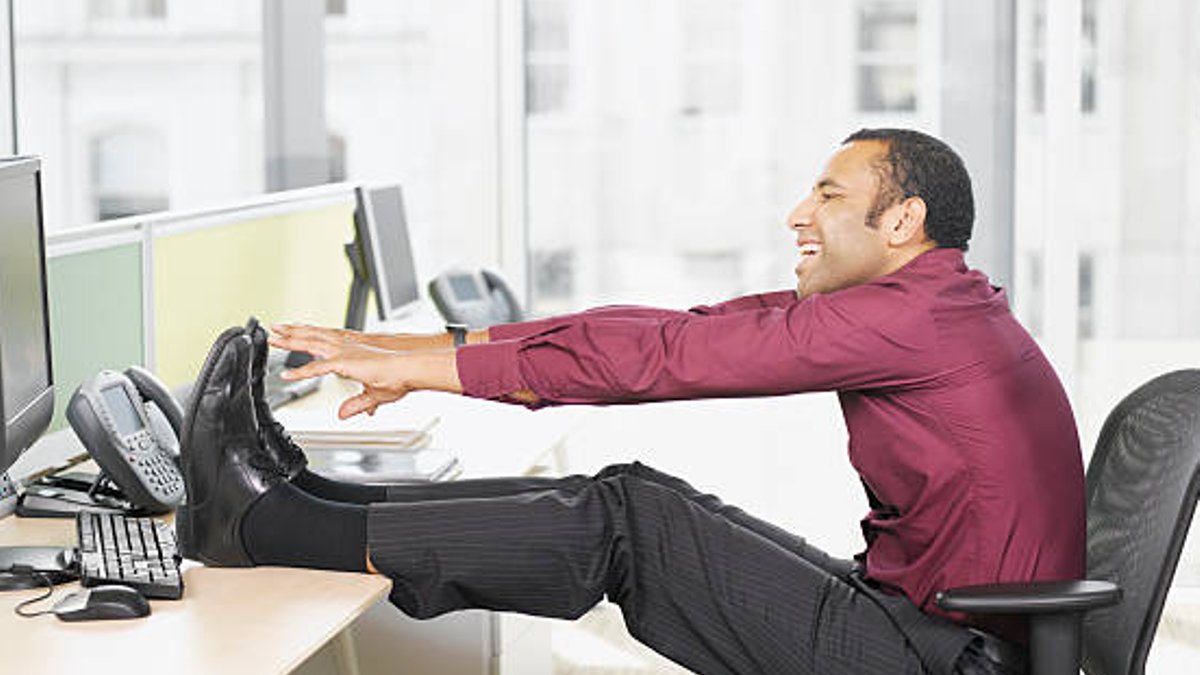
Your health often suffers when you spend the entire day seated at a desk, leading to chronic inactivity that can contribute to obesity, heart disease, diabetes, back problems, and anxiety. Fortunately, several practical strategies can help counteract these risks while supporting better physical and mental well-being.
Stretch Frequently Throughout the Day
Regular stretching is one of the most effective habits for office workers. Simple exercises like seated hamstring stretches, calf raises, and one-arm adopt can be performed at your desk. Alternatively, quick movements such as jumping jacks or sit-ups provide a burst of activity. These routines help loosen tight muscles, improve flexibility, and stimulate blood circulation, which can boost productivity and support overall health.
Stretching also reduces stiffness from prolonged sitting and helps maintain mobility. Even brief sessions every hour can make a difference in how your body feels during and after work. They help reduce the risk of developing musculoskeletal disorders and improve overall well-being.
Burn Calories Intentionally During Lunch
Instead of eating at your desk, take your meal outside or to a nearby park. Following your lunch with a short walk can aid digestion and burn calories. Consider skipping the elevator in favor of stairs, or schedule a workout class during your break if facilities are available nearby. These small changes add up to meaningful activity over time. It is essential to make the most of your lunch break to support your physical health.
Burning calories during lunch also refreshes your mind, which can enhance focus and efficiency when you return to work tasks. This habit can help you stay energized and motivated throughout the day.
Alternate Between Sitting and Standing
Sitting for extended periods is linked to increased health risks, so alternating between sitting and standing is key. A sit-stand desk allows easy transitions between postures, and standing can burn up to 30% more calories than sitting. If a standing desk isn’t available, use a high table or counter for phone calls, and switch positions every 30 minutes. This practice can help reduce the risk of chronic diseases associated with prolonged sitting.
Alternating between sitting and standing improves posture, reduces spinal stress, and helps prevent long-term musculoskeletal issues. It also increases energy levels and enhances overall well-being. By incorporating this habit into your daily routine, you can significantly improve your physical health.
Incorporate Resistance Training
Strength training is vital for desk-bound workers. Exercises like push-ups, planks, squats, and lunges require no equipment and can be done in the office. Resistance training builds muscle, which strengthens bones and joints, enhances balance, and boosts metabolism. More muscle mass means your body burns more calories even at rest, aiding weight management. Incorporating these exercises into your routine can have a significant impact on your overall health.
Focus on Nutrition and Meal Timing
Never skip breakfast, as it kickstarts your metabolism after a night of fasting. Quick options like oatmeal or cereal can be prepared at your desk. Packing your lunch and snacks helps avoid unhealthy vending machine choices. Snacks such as nuts, carrots, or fruit provide sustained energy without excess sugar or fat. A healthy diet is essential for maintaining energy levels and supporting overall well-being.
Use Non-Work Time for Physical Activity
When away from the office, prioritize movement over screen time. Walking, cycling, hiking, or joining a gym class keeps your body active. Weekend activities like family walks or outdoor adventures offer both exercise and relaxation. Regular activity outside work complements desk-based efforts and supports long-term fitness goals. It is essential to make time for physical activity outside of work to maintain a healthy work-life balance.
Maintain Proper Posture
Good posture is essential for preventing strain and discomfort. Keeping your spine aligned reduces pressure on muscles and joints, improves breathing, and enhances circulation. Proper positioning at your desk supports better focus and energy levels.


