Ireland embraces lion’s mane mushroom trend
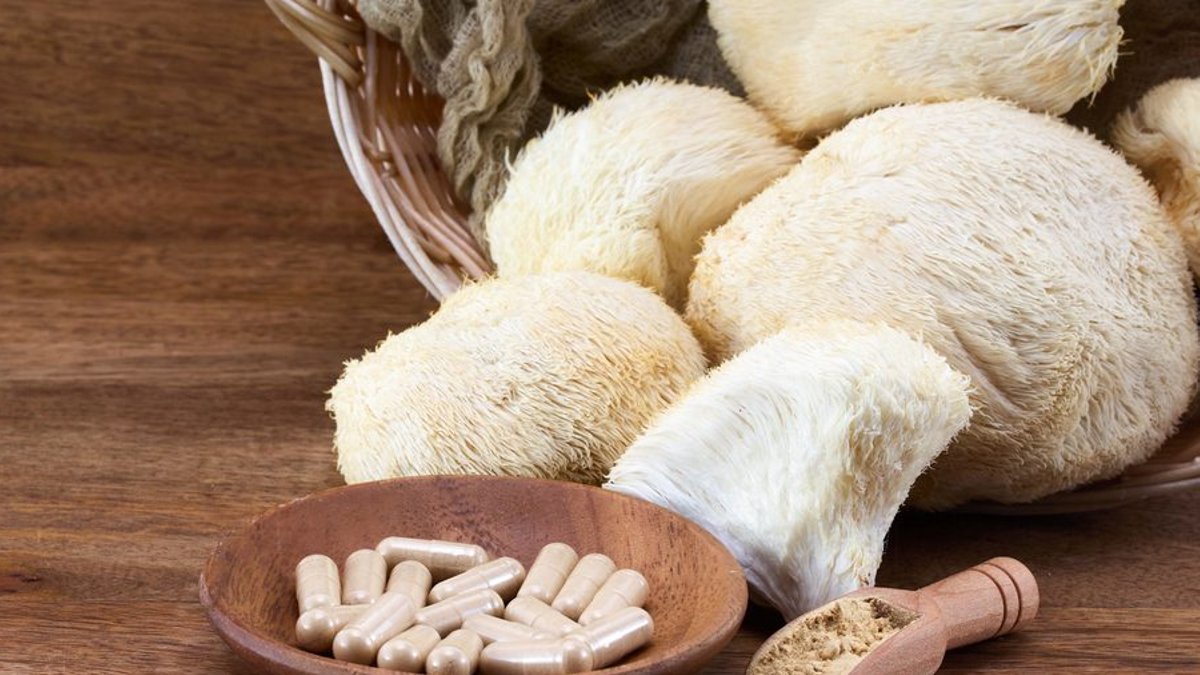
In Ireland, a once-obscure mushroom called lion’s mane is moving from health food stores into mainstream wellness routines. Known scientifically as Hericium erinaceus, the fungus is gaining attention for claims it supports memory, focus, and long-term brain health without the side effects of synthetic nootropics.
How lion’s mane became a brain supplement
The mushroom’s rise in Ireland follows a broader European trend toward functional fungi. Unlike psychedelic mushrooms, lion’s mane is non-psychoactive and legal across the EU, classified as a food supplement. Its popularity comes from two bioactive compounds—hericenones and erinacines—which studies suggest stimulate nerve growth factor in the brain.
Nerve growth factor is a protein essential for neuron maintenance and repair. A 2011 study in Biomedical Research found elderly participants with mild cognitive impairment showed measurable improvement in cognitive function after 16 weeks of daily lion’s mane powder. When participants stopped taking it, their scores declined, suggesting consistent use may be necessary.
Other research links lion’s mane to neural regeneration and potential protection against neurodegenerative diseases like Alzheimer’s. Smaller trials indicate it might ease anxiety and depression, though more extensive studies are needed to confirm these effects.
From traditional medicine to Irish shelves
Lion’s mane has been used in traditional Chinese medicine for centuries, valued for its neurological and digestive benefits. In Ireland, it is now sold in tinctures, capsules, and powders, with liquid extracts preferred for faster absorption. Health food stores and supplement brands have expanded their selections as demand increases, particularly among students, professionals, and older adults looking for natural cognitive support.
The mushroom’s appearance—white, shaggy tendrils resembling a lion’s mane—makes it easy to recognize. It grows on wounded or dead trees in North America, Europe, and Asia. While it can be cooked, most people opt for supplements for convenience.
Regulation in Ireland is simple: lion’s mane is treated as a food supplement, not a drug, which has allowed the market to grow. Since it contains no mind-altering compounds, it is suitable for regular use.
The growing interest in lion’s mane shows a shift toward proactive brain health. As research continues, the mushroom’s history—rooted in ancient tradition and modern science—suggests it may not be just a temporary trend. Experts note that while early results are encouraging, lion’s mane is not a universal solution. Its effects differ among individuals, and long-term studies are still lacking.
For now, its safety and ease of use make it an attractive choice for those exploring natural nootropics. Whether it remains popular or is replaced by newer supplements will depend on future research.
In Dublin’s health food stores, lion’s mane tinctures now share shelf space with turmeric and ashwagandha, showing how quickly functional fungi have entered everyday wellness routines.

Chaga takes hold in Irish wellness scene


