Germany’s Health Budget Cuts Face Strong Opposition
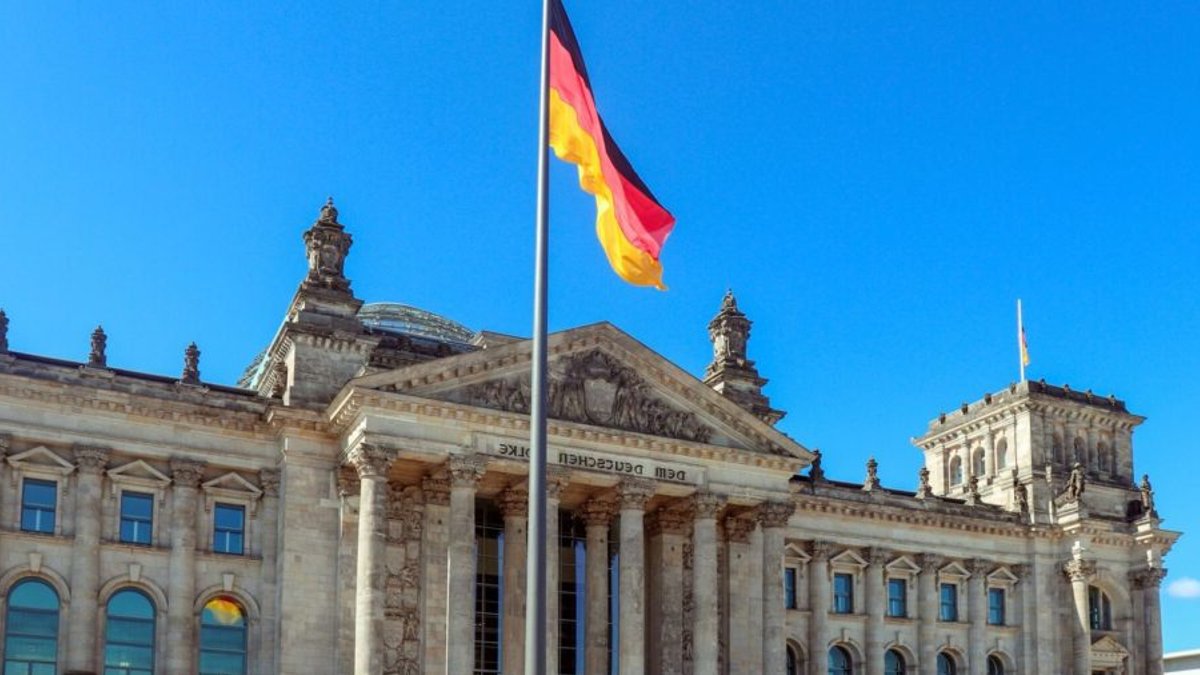
Budget negotiations for 2027 in the German Bundestag are imminent, with policymakers set to clash over plans to further slash global health funding. Under Germany’s tightly constrained draft budget proposal for 2027, the government is set to reduce global health funding substantially. While mandatory assessed contributions to the World Health Organization (WHO) will rise slightly, flexible budgets for pandemic preparedness are planned to be cut by 15.3%.
The Health Ministry defended the budget draft against concerns over the funding rollbacks, stating that the ministry is “contributing to the demanding fiscal framework.” A spokesperson emphasised that Germany “remains an important supporter and reliable partner of the WHO and a central actor in global health,” noting that alongside “continuing substantial funds for strengthening international public health,” its assessed contributions to the WHO are being “reliably paid” and funding for the WHO Pandemic Hub in Berlin is maintained at its existing level.
The Pandemic Hub will again receive €15 million after a cut of 50% last year. Germany’s assessed contributions to the WHO in Geneva are planned to gradually rise to around €34.39 million from €34.32 million the previous year. Since the US’s withdrawal from WHO, the Federal Republic has become the largest government contributor.
Related: Ebola Marks 100 Days with Mixed Outcomes
Allocated through the Federal Ministry for Economic Cooperation and Development (BMZ), funding for Gavi remains at the previous year’s level of €80 million, leading to a slight decline in real terms due to inflation. Germany’s contribution to the Global Fund to Fight AIDS, Tuberculosis and Malaria falls from €288 million to €286 million.
A BMZ spokesperson defended these figures, explaining that Germany remains the second-largest government donor to both organisations. The ministry emphasised that its long-term, multi-year pledges, including €1 billion to the Global Fund for 2026–2028 and €600 million to Gavi for 2026–2030, will be “fully implemented” in 2027 with “no cuts” or changes to the agreed disbursement schedules.
Lawmakers raise concerns
Although leading German global health politicians recognise the need to set budget priorities, they warn against the consequences of the cuts. Sascha van Beek, a centre-right Christian Democratic Union (CDU) Member of Parliament and the rapporteur responsible for global health, argues that fiscal constraint requires smarter, more effective spending.
Related: Most adults unaware of metabolic health basics
“The budget situation forces us to set priorities and also critically review existing expenditures for their effectiveness,” van Beek explains in response to an enquiry from Health Policy Watch. “At the same time, I consider it wrong to view global health solely as a voluntary international commitment. Pandemic prevention, the fight against infectious diseases and antimicrobial resistance, as well as high-performing health systems in our partner countries, are in Germany’s and Europe’s direct interest.”
While continued support for the Global Fund and Gavi is important, he considers the cuts to flexible funding in particular to be risky: “We must not skimp on prevention if the next health crisis ends up costing us many times over,” van Beek explains.
His colleague on the public health committee, Serdar Yüksel – rapporteur for the centre-left Social Democratic Party (SPD) – echoes this sentiment. “It is precisely these flexible project funds that enable Germany to make a difference where help is needed quickly and in a targeted manner. Anyone who wants to strengthen the WHO must not, of all things, withdraw its flexible funds,” the health policy expert explains.
Related: Red Cross condemns attacks on Ebola responders in DRC
He also warns of the devastating signal sent by the gradual erosion of global alliances. Freezing contributions to organisations like Gavi or the Global Fund, causing them to lose real-terms value, directly undermines the effectiveness of life-saving partnerships on the ground, he warns.
Both health policymakers have announced their opposition to the budget plans in the imminent negotiations. Van Beek stresses that every cut must be scrutinised to determine whether it would weaken key structures for pandemic prevention. Yüksel takes a more uncompromising stance, emphasising that the planned reductions should not be implemented.
As members of the governing parties under the federal government led by Chancellor Merz (CDU) and Finance Minister Klingbeil (SPD), both policymakers will have significant leverage in the budget negotiations. Whether they can adjust the federal government’s priorities remains to be seen in the coming months. Following the first reading of the draft budget in the Bundestag on September 8, further debates will take place in the plenary session and in the Bundestag’s Budget Committee. The Bundestag expects to finalise the budget in late autumn.

Ebola Marks 100 Days with Mixed Outcomes


