Afghan Lives Caught in Taliban West Conflict
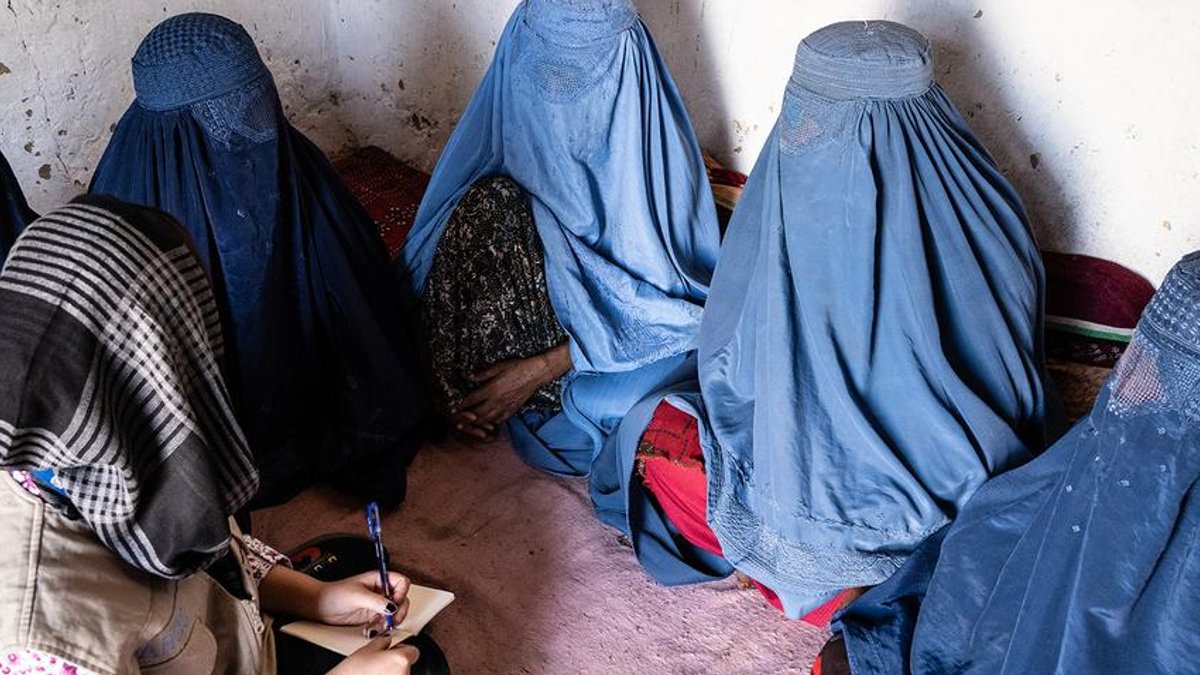
Afghan women have been almost erased from public life, with the Taliban’s draconian restrictions having a crippling impact on their access to healthcare and other basic services. The clash of convictions between the Taliban and the West is being fought over the bodies of millions of Afghans, with the outcome being a generation of losers.
Healthcare in Afghanistan
The fundamental drivers of health outcomes are social determinants, and the Taliban’s restrictions have dealt a significant blow to the health of Afghans. Women have been restricted from public spaces, and their access to healthcare has shrunk, with young girls being forced into marriages to settle debts or relieve poverty.
Basic health statistics in Afghanistan are alarming, with a life expectancy of 66.3 years and under-five child mortality exceeding 50 deaths per 1,000 births. Mothers suffer one of the world’s highest mortality ratios, and malnutrition amongst children and the wider public has reached record levels.
Other conditions, such as communicable and non-communicable diseases, physical and mental trauma, are also on the rise. Suicide rates, especially among females, are mounting, and climate disasters are adding to the strain.
Related: Double Down on Prevention Now
Aid and Assistance
Aid agencies are finding creative ways to bypass the Taliban and deliver assistance to those in need. This includes negotiating for access locally and quietly, expanding direct-to-worker electronic payments, and paying the mahram, the authorised male required to accompany a female patient or health worker.
Challenges and Solutions
Other strategies include restoring and expanding mobile health and nutrition units, co-locating institutional facilities with existing hospitals, and investing in autonomous, solar-powered clinic microgrids. Reviving grassroots public health surveillance and taking careful risks are also important in this context, as they allow for HIV injection debates to inform prevention measures.
It is essential to maximise the good effects of available limited humanitarian funding and find ways to sustain a health delivery system that works for people, despite the challenges posed by the Taliban’s restrictions and the international community’s response.
Measures must be taken.

South Africa debates price of HIV injection


